


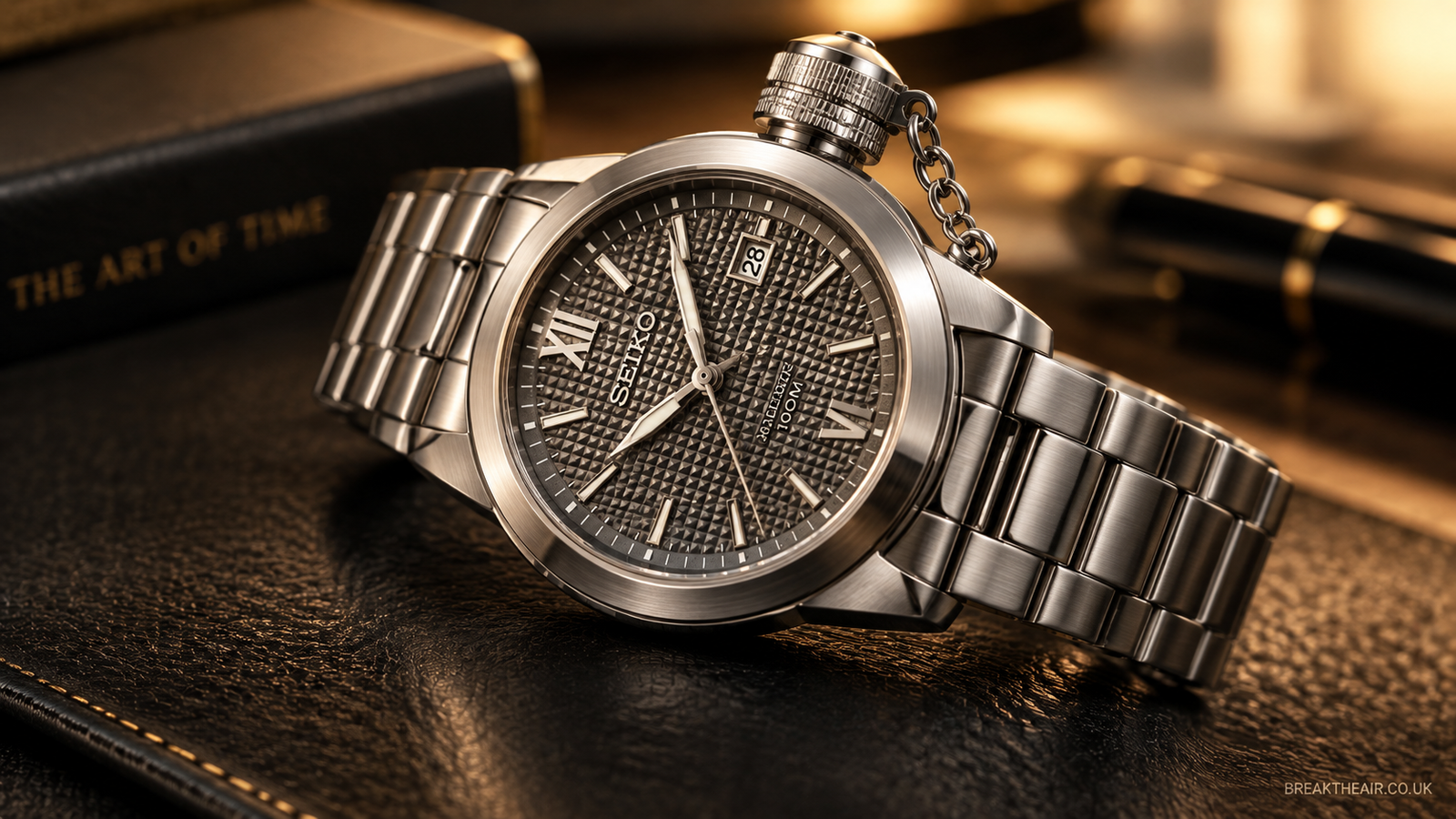
Few luxury watches carry as much mystery and charm as the Cartier Pasha. Known for its bold round case, distinctive crown cap, and a backstory that blends fact with legend, the Pasha has remained one of Cartier’s most talked-about collections for decades. This guide breaks down the true history of the Pasha, its most recognizable design features, current market prices, and practical advice for anyone considering buying or selling one.
What Is the Cartier Pasha?
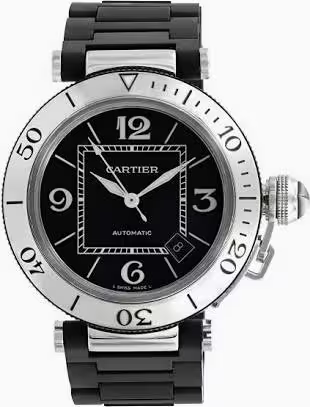
The Cartier Pasha is a luxury wristwatch collection known for its round case, sporty yet elegant styling, and a signature crown cap secured by a small chain. Unlike many of Cartier’s more delicate dress watches, the Pasha was built with a bolder, more robust aesthetic, making it a favorite among collectors who want something distinctive rather than a typical round luxury watch.
Over the years, the Pasha has been produced in a wide range of materials, including stainless steel, yellow gold, rose gold, and white gold, along with versions featuring diamonds, chronograph functions, and even a flying tourbillon complication. This versatility has helped the Pasha appeal to both men and women, with the Miss Pasha line specifically designed as a smaller, more feminine version of the original design.
The True History Behind the Pasha de Cartier
Despite popular belief, the Cartier Pasha as most people know it today was not actually produced in the 1930s or 1940s. The Pasha de Cartier collection was officially launched in 1985, created to give Cartier a strong presence in the luxury sports watch category at a time when competitors were gaining significant attention with bold, round steel watches of their own.
The design behind this 1985 release is credited to Swiss watchmaker Svend Andersen, who gave the Pasha its now-iconic look, including the square minute chapter ring, a clous de Paris textured dial pattern, and a running seconds subdial. These details set the Pasha apart from other round watches of the era and gave it a visual identity that has remained largely consistent across generations of the collection.
The Marrakesh Legend and Its Origins
Much of the Pasha’s appeal comes from its romantic origin story, which claims the watch was originally created for Thami El Glaoui, the Pasha of Marrakesh, sometime in the early 1930s. According to the legend, the Pasha wanted a watch that could keep up with his active lifestyle while still being water-resistant and elegant enough for formal occasions, which supposedly led Louis Cartier to design a rugged round watch with a protective crown cover.
While this story has been repeated for decades and is even referenced in some of Cartier’s own marketing, historical evidence supporting it is limited. A 1943 photograph does show a watch bearing several Pasha-like features, suggesting the concept may have existed in some early form, but there is no solid documentation proving that a watch was made specifically for the Pasha of Marrakesh during that period. Most horology historians now treat the story as more legend than confirmed fact, even though it remains part of the collection’s identity.
Iconic Design Features That Define the Pasha
The most recognizable feature of the Cartier Pasha is its crown cap, a small dome that covers and protects the winding crown, secured to the case by a delicate chain link. This design detail traces back to Cartier’s early experiments with water resistance, since screw-down crown covers helped protect movements from moisture before modern sealing technology became standard.
Beyond the crown cap, the Pasha is also known for its round case shape, broad bezel, and Vendôme-style lugs, which give it a slightly sportier silhouette compared to Cartier’s more formal collections. The clous de Paris pattern on many dials adds subtle texture and shine, while the square minute markers positioned around the dial create a distinctive visual rhythm that separates the Pasha from typical round watch designs.
The Modern Revival: 1985 Launch and Beyond
After its debut in 1985, the cartier pasha quickly gained popularity, in part because it offered something genuinely different from Cartier’s existing lineup while still competing in the same luxury sports watch space as other prestigious round watches of the era. Its combination of bold styling and Cartier’s traditional craftsmanship helped it build a loyal following among collectors throughout the following decades.
Cartier has periodically paused and revived the Pasha over the years, treating it as a collection that comes and goes rather than a permanent fixture. A notable relaunch occurred in 2020, bringing updated men’s and women’s models built around Cartier’s in-house calibers, along with high-complication pieces like the Pasha Skeleton Flying Tourbillon. This pattern of returning to the archives and reintroducing beloved designs is a strategy Cartier has used with several of its historic collections.
Recent Cartier Pasha News and Availability
As of 2026, reporting indicates that the Cartier Pasha has once again been phased out from several major markets, including the official Cartier website in the United States, though a small number of exotic models remain listed in select international markets. This pattern of the Pasha disappearing and later returning is not unusual for the collection, and industry watchers generally expect it to make another comeback in the future, much like it has done multiple times since its original 1985 debut.
For current buyers, this means new Pasha models may become harder to find through official retail channels, pushing more attention toward the pre-owned and secondary watch market. This shift often affects pricing and availability, making it especially important for buyers to work with reputable dealers when searching for a specific reference.
Cartier Pasha Price Range and Market Value
Pricing for the Cartier Pasha varies significantly depending on the model, materials, and complications involved. On average, most Pasha watches sell for around three thousand dollars, though the overall price range spans from roughly two thousand dollars for simpler steel models to well over eighteen thousand dollars for more elaborate references.
At the higher end of the collection, pieces like the white gold Pasha Skeleton Flying Tourbillon can command prices well above one hundred thousand dollars, reflecting the complexity of the movement and the craftsmanship involved. Diamond-set versions featuring panther motifs and other elaborate detailing also sit in a similarly premium price bracket, appealing to collectors seeking a more statement-making piece rather than a standard everyday watch.
Popular Cartier Pasha Models Worth Knowing
Among the many references produced over the years, certain Pasha models have become especially well known within the collector community. The Pasha C line, along with GMT and chronograph variations, remains popular for offering practical complications alongside the collection’s signature design elements. These models tend to strike a balance between everyday wearability and the Pasha’s distinctive luxury identity.
The Miss Pasha line has also carved out its own following, offering the same design language in a smaller case size aimed at those who prefer a more compact and feminine silhouette. Meanwhile, limited editions such as the Collection Privée Cartier Paris Pasha, released in 2006 to mark the design’s anniversary, continue to hold special appeal among serious collectors interested in the model’s historical significance.
Tips for Buying or Selling a Cartier Pasha
Anyone considering purchasing a Cartier Pasha, whether new or pre-owned, should take time to verify the specific reference number, materials, and included documentation before finalizing a purchase. Because the Pasha has been released and discontinued multiple times, prices and availability can vary widely, so comparing multiple listings and working with established, reputable dealers helps ensure a fair and authentic purchase.
For those looking to sell a Cartier Pasha, seeking a professional valuation from a trusted watch specialist is generally the safest approach, since private sales and dedicated watch marketplaces often provide better transparency than general resale platforms. Keeping original boxes, papers, and service records can also meaningfully impact resale value, particularly for higher-end models with complications or precious metal cases.
Conclusion
The Cartier Pasha remains one of the most distinctive watches in Cartier’s history, blending a captivating origin story with genuinely innovative design choices introduced back in 1985. From its protective crown cap to its bold round case and rich material options, the Pasha continues to attract collectors who want a luxury watch with real character. Whether you’re drawn to its legendary backstory, its striking design details, or its investment potential, understanding the real history and current market behind the Cartier Pasha makes it much easier to appreciate, and confidently pursue, this enduring icon of watchmaking.
READ MORE: https://breaktheair.co.uk/
